How Humidity Affects Candy Making
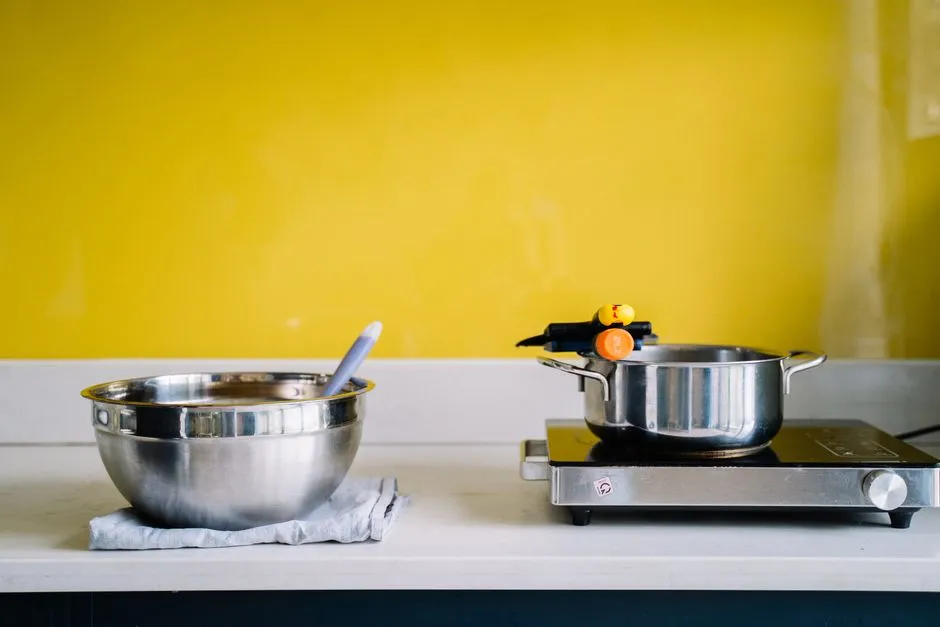
- Humidity can soften candy after the cooking is finished
- Humidity changes the candy after water has been cooked out
- The driest candies show moisture damage most clearly
- Read the room before starting
- Keep ingredients and tools dry
- Follow the recipe's temperature exactly
- Cool the batch promptly in a protected place
- Package against moisture, not just dust
- Diagnose a humid-day result without guessing
- A dry workflow beats a weather workaround
- Sources
Humidity can soften candy after the cooking is finished
Yes, humidity affects candy making. Once cooked candy stops giving off moisture and begins cooling, sugar can absorb water from humid air. Hard candy may turn sticky or grainy, brittle may lose its clean snap, and softer candy may become tackier than expected. The best controls are a tested recipe, prompt cooling, dry tools, and moisture-resistant packaging—not an invented temperature adjustment.
The cooking endpoint still belongs to the formula. If a recipe specifies one temperature, use it. If a tested recipe gives an approved stage range and explicitly directs a weather adjustment, stay inside that direction. Do not add five degrees because the forecast feels damp. Our guide to using a candy thermometer correctly covers the measurement side of the process.
Humidity changes the candy after water has been cooked out
Candy syrup is cooked to concentrate sugar by driving off water. The Exploratorium explains that reaching a desired syrup temperature establishes a particular sugar-to-moisture relationship. After the candy cools enough that it is no longer losing water to the air, a humid room can reverse part of that exchange: the candy begins taking up moisture from its surroundings.
That added moisture changes texture before it necessarily changes appearance. A hard surface becomes tacky. Pieces cling to parchment or wrappers. A brittle snap becomes a softer bend. A coating dissolves at the surface. In some hard candies, moisture and temperature can also increase molecular movement enough for sucrose to reorganize into crystals, producing graining.
A 2024 peer-reviewed review of hard-candy production describes humidity and storage temperature as major influences on graining and stickiness. Hard candy is made as a low-moisture, glassy solid. When it absorbs water, that glassy structure becomes less stable and more mobile, which helps explain why a clear sweet can become sticky, cloudy or grainy in storage.
The driest candies show moisture damage most clearly
Hard candy and lollipops are particularly easy to read because their intended texture is dry, glassy and firm. The hard-candy review identifies stickiness and sucrose recrystallization as two main storage problems. Moisture uptake can begin at the surface, where a thin absorbed layer becomes sticky and may allow crystal formation to start.
Brittles and hard toffees also advertise moisture change quickly: the clean fracture softens and pieces begin to cling. Treat this as a quality change, not permission to recook a finished batch without a tested recovery method. A sugar mass containing nuts, dairy or another ingredient is not interchangeable with a clear hard-candy syrup.
Pulled and chewy candies are not meant to be glass-hard, so the first sign may be extra surface tack, pieces merging or wrappers becoming difficult to remove. Fudge and fondant are intentionally crystalline; their issue is not simply “crystals are bad.” Their texture depends on when and how small crystals form, and humidity can complicate cooling and storage without changing the recipe's intended sequence.
Cotton candy has very little structural protection from humid air because its sugar is spun into fine strands with enormous exposed surface. It can shrink and collapse rapidly. Make it close to serving time and keep it protected from the room rather than expecting long uncovered holding.
Marshmallows and coated jellies may develop wet or sticky surfaces as their dry coating absorbs moisture. Recoat only if the tested recipe recommends it; extra powder can conceal tack briefly without correcting a batch that absorbed substantial water.
Chocolate has its own temper and condensation problems, so do not apply cooked-sugar temperature advice to it. This guide addresses sugar confections, not a substitute tempering schedule.
Read the room before starting
Choose the driest available room and time. Finish boiling pasta, running the dishwasher or simmering stock before candy work begins. Turn off a humidifier in the work area. Use ordinary ventilation that does not blow dust, pet hair or cold drafts across exposed syrup.
If the kitchen is plainly damp and the candy is moisture-sensitive, postponing is a sound quality decision. It is especially useful for a first attempt, when you want the recipe's cues to teach you something rather than leaving weather and technique tangled together.
Keep ingredients and tools dry
Store granulated sugar in an airtight, moisture-resistant container. Utah State University Extension notes that moisture makes granulated sugar hard and lumpy and recommends a cool, dry storage location. Clumped sugar is not automatically spoiled, but it is a warning that the ingredient or room has encountered moisture.
Dry the saucepan, thermometer, spoon, spatula, molds and work surface completely. A recipe may intentionally include water, cream or another liquid; measured formula liquid is different from droplets left on equipment. Use only the ingredients and quantities the tested recipe names.
Prepare wrappers and an airtight container before the cook begins. Packaging is part of the method on a humid day. If the finished candy must sit exposed while you find bags, every minute adds another opportunity for moisture uptake.
Follow the recipe's temperature exactly
Humidity is not a license to move a candy stage. The Exploratorium says humid-day effects can sometimes be counterbalanced by cooking to the upper end of an appropriate temperature stage. That statement has two limits: the recipe must actually permit a range, and the chosen point must remain within it.
Many formulas specify one endpoint because their ingredient balance, desired firmness and later handling depend on it. For those, use that exact endpoint. Do not translate “upper end” into an automatic increase. Higher cooking can make a candy harder, darker or more concentrated than designed, and it cannot keep an unwrapped finished piece from absorbing moisture later.
Check the thermometer rather than extending cooking by time. Burner output, pan shape and batch size already make time unreliable. If elevation changes the local boiling point or the recipe carries high-altitude directions, use a tested adjustment from the recipe or a reliable candy reference. Do not combine an altitude change and a humidity guess.
Write down the room conditions and the actual endpoint. If the result is soft, that record helps separate a thermometer or formula problem from moisture absorbed during cooling and storage.
Cool the batch promptly in a protected place
Before the syrup reaches its endpoint, clear a stable, heat-safe landing area. Follow the recipe's exact instruction for pouring, beating, pulling or leaving the pan undisturbed. Humidity does not cancel a fudge cooling rest or authorize stirring a syrup that should remain still.
Keep the candy away from steam and splashes. Do not refrigerate a hot sugar batch merely to find drier air unless the tested recipe says to; rapid chilling and later condensation can create different texture problems. Cool it in the environment and vessel the formula specifies.
As soon as the candy is cool enough for its next step, cut, coat or wrap it without an unnecessary holding period. “Promptly” does not mean handling hot candy. It means having the next materials ready so a properly cooled batch does not spend an extra hour uncovered.
Use dry hands or food-safe gloves where the recipe permits handling. Replace damp parchment and wipe condensation from the outside of containers before they come near the candy. Never touch hot sugar to test whether it is ready.
Package against moisture, not just dust
An airtight container is the useful baseline for home storage. Utah State recommends airtight, moisture- and odor-resistant packaging for stored sugars. For finished candy, follow the tested recipe's container, wrapper, layering and room-temperature or refrigeration direction; fillings and added dairy can change storage requirements.
Wrap hard candies, caramels or taffy individually when the recipe calls for it, then close them inside the recommended container. Separate layers with the specified parchment or waxed paper. Do not assume a decorative paper bag blocks humid air.
Label gifted candy with its ingredients, allergens, date and storage directions. Humidity control does not make a dairy, nut, egg, wheat, soy or sesame ingredient disappear. Keep original packages available so cross-contact statements can be checked, and never describe a shared-kitchen batch as allergen-free.
Diagnose a humid-day result without guessing
The candy was firm, then became sticky. That timing points toward moisture uptake during cooling or storage. Review exposure time, wrappers and container closure before changing the cooking endpoint.
Hard candy became cloudy or grainy. Humidity can contribute to surface graining, but undissolved sugar and agitation can do the same. Check pan-side crystals and stirring history as well as storage conditions.
The batch was soft as soon as it cooled. Verify ingredient weights, thermometer placement and the recipe endpoint first. Humidity may add softness, but it should not become a catch-all explanation for a measurement error.
Brittle lost its snap overnight. Review whether it cooled completely before packaging and whether the container actually sealed. Trapped warmth can create condensation; a loose lid admits room moisture.
Coated pieces are wet only on the surface. The coating may have drawn in moisture. Follow the recipe's recoating or serving guidance, and improve the storage barrier. Do not keep adding powder indefinitely to candy whose interior texture is changing.
Different pieces changed at different rates. Check thickness, position on the cooling tray and how tightly each piece was wrapped. Uneven exposure can create uneven results even within one batch.
Do not sell or gift candy with an uncertain filling, storage requirement or allergen record. Texture damage is often a quality problem, but a perishable filling can make storage a food-safety question. Follow the tested recipe's food-storage direction and discard candy with visible mold, contamination or an unexpected odor.
A dry workflow beats a weather workaround
Humidity is most manageable when the whole path is ready: dry ingredients, dry tools, a correct thermometer endpoint, a protected cooling space and packaging waiting at the finish. Those controls keep the formula intact.
If the weather is poor, choose a less moisture-sensitive project or wait. If you proceed, document the conditions and follow the recipe exactly. The useful lesson from a humid batch is how exposure changed it—not how far you can push an untested temperature.