Small-Batch Chocolate Bark With Balanced Toppings
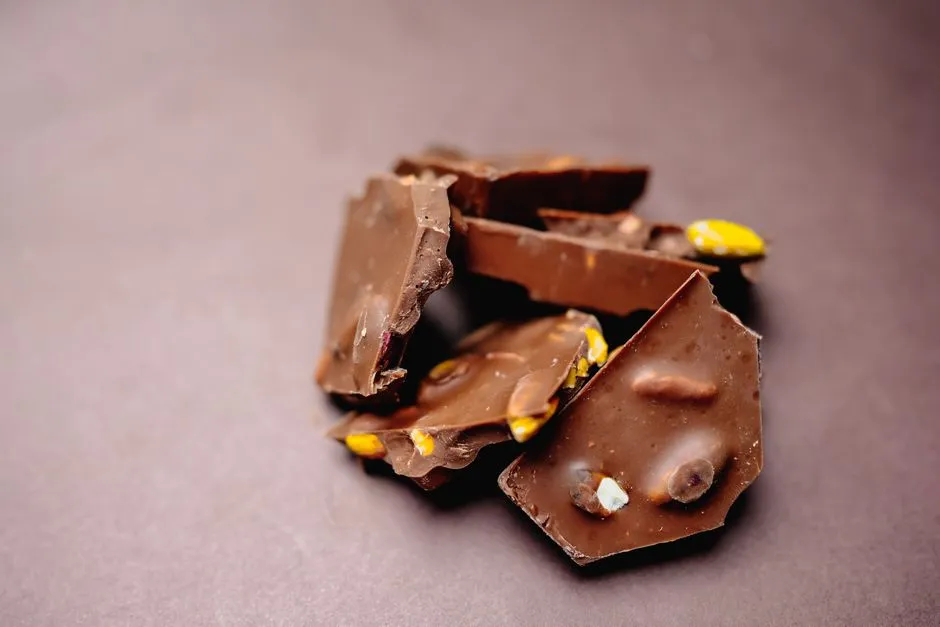
Use 300 grams of chocolate and keep toppings to 60 grams
This small-batch chocolate bark spreads 300 g melted chocolate into an 8-by-6-inch rectangle and uses no more than 60 g dry toppings. Melt two thirds of the chocolate gently, remove it from heat, and stir in the remaining third until smooth before spreading. This seed-and-cool method improves control, but it does not promise professionally tempered chocolate without verified temperatures and technique.
Chocolate and toppings can contain milk, soy, peanuts, tree nuts, gluten, sesame, or other allergens. Check every label and prepare with controls suitable for the diners.
Ingredients
- 300 g good-quality bar or couverture-style chocolate, finely chopped
- up to 60 g total dry toppings
- optional small pinch flaky salt
One balanced topping mix could be 30 g toasted nuts and 30 g chopped dried fruit. The arithmetic is 30 + 30 = 60 g. Those ingredients introduce tree-nut and possible sulfite or cross-contact concerns; use a different safe mix when needed.
This batch breaks into about 12 irregular pieces. Piece size varies because bark remains gloriously unwilling to use a ruler.
Keep every tool dry
Line a small tray or board with parchment. Prepare an offset spatula or spoon, heat-safe bowl, saucepan, and toppings before melting.
Water can make melted chocolate seize into a thick grainy mass. Dry the bowl and tools completely, keep steam away, and wipe condensation from packaged ingredients. Toppings should be dry and at room temperature.
Browse easy treats for other small-batch methods.
Chop and divide the chocolate
Chop the chocolate into small, fairly even pieces. Set aside 100 g and place 200 g in the heat-safe bowl. That division is 200 + 100 = 300 g.
Small pieces melt more evenly and reduce the temptation to blast stubborn chunks with excessive heat. If using chips, note that formulas designed to hold shape may melt differently from chopped bars.
Melt gently over indirect heat
Set the bowl over a saucepan containing a shallow amount of barely simmering water, making sure the bowl does not touch the water. Steam and the pan are hot; keep the handle safely positioned and use dry heat protection.
Stir the 200 g portion until almost fully melted, then remove the bowl from the saucepan and dry its underside. Continue stirring until smooth. Do not cover the bowl, because trapped condensation can drip into the chocolate.
A microwave can work in short intervals with stirring, but power and vessel behavior vary. Follow appliance and chocolate guidance and stop before scorching.
Add the reserved chocolate off heat
Add the reserved 100 g in several additions, stirring until each portion mostly melts. The cooler solid chocolate lowers the mixture’s temperature and provides existing crystal structure, but true tempering requires chocolate-specific temperature control beyond this simple bark method.
If a few pieces remain after patient stirring, warm the bowl only very briefly and gently. Do not return to strong heat. Overheating can damage flavor and texture.
Spread and top before the surface sets
Pour onto the parchment and spread into roughly an 8-by-6-inch rectangle of even thickness. Scatter the 60 g toppings across the entire surface, keeping pieces small enough for clean breaking. Press them lightly into the chocolate without burying them.
Use all toppings now. Adding loose pieces after setting creates a plate of chocolate accompanied by unrelated nuts.
Let it set without introducing moisture
Leave the tray in a cool, dry place until firm. If the room is too warm and refrigeration is appropriate for the ingredients, chill briefly in a covered or protected setup that avoids condensation and strong odors. Follow current official local food-safety guidance for perishable toppings; this recipe is designed for dry ones.
Once firm, peel away parchment and break into about 12 pieces. Store in a clean airtight container in a cool, dry place. Temperature swings can cause harmless-looking surface bloom, but appearance alone cannot prove food safety.
The candy thermometer guide explains why more advanced tempering or cooked sugar needs exact instrument control. This bark keeps the promise modest: measured chocolate, restrained toppings, and no diploma in confectionery awarded by the cooling rack.